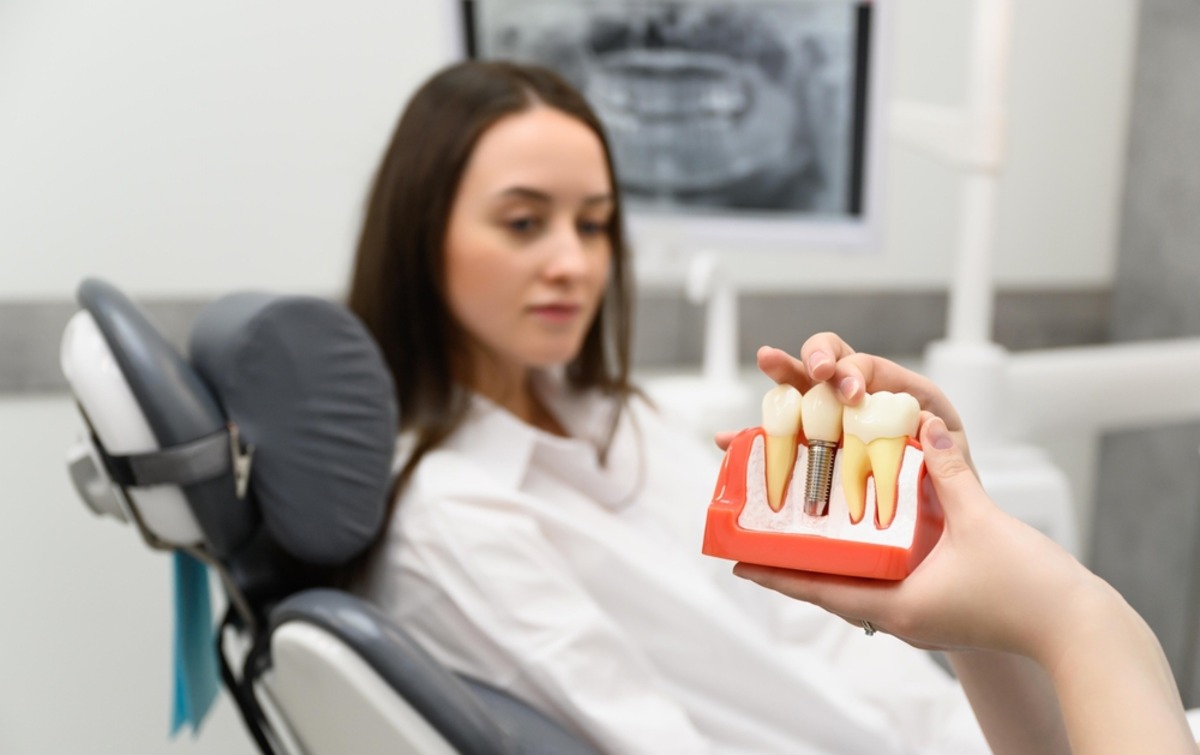
Getting a new smile is an exciting journey. If you have chosen dental implants in Red Deer, AB, you likely enjoy the look and feel of your permanent teeth. However, noticing a puffy or red area around your new tooth can be worrying. While some minor sensitivity is common right after surgery, swelling that appears months or years later needs your attention.
Understanding why this happens is the first step toward protecting your investment and your health.
Common Causes of Swelling
When you notice gum swelling around the implant, it is usually a sign that your body is reacting to something. Here are the most frequent culprits:
- Food Particles: Sometimes, small bits of crunchy food get trapped under the gumline. Because the seal around an implant differs from that of a natural tooth, these bits can cause quick irritation.
- Peri-implant Mucositis: the early stage of gum inflammation. It is similar to gingivitis but specifically affects the area around an implant.
- Peri-implantitis: a more serious infection that affects the bone supporting the implant. If left alone, it can lead to implant failure.
- Loose Components: If the crown or the small screw inside it becomes loose, it can create tiny gaps where bacteria hide, leading to swelling.
When Should I Worry About Implant Swelling?
It can be hard to know whether to wait or call a dentist in Red Deer, AB. You should seek professional help if the swelling is accompanied by a bad taste in your mouth, bleeding when you brush, or if the implant feels like it is moving.
Fever or throbbing pain are also signs that you need an immediate check-up at a dental clinic near you. Early intervention is the best way to save the implant.
Comparison of Healthy vs. Swollen Implant Gums
| Feature | Healthy Implant Gums | Swollen Implant Gums |
| Colour | Light pink | Bright red or purple |
| Texture | Firm and stippled | Soft, puffy, or shiny |
| Bleeding | None during brushing | Bleeds easily |
| Discharge | None | Possible clear or yellow fluid |
Dental Implant Gum Infection Treatment Options
The type of dental implant gum infection treatment you receive depends on how deep the issue goes. If the problem is caught early, a professional cleaning might be all you need. The dentist can remove the bacteria buildup that your toothbrush cannot reach.
In more advanced cases, a clinician might use local antibiotics or laser therapy to kill the infection. If the bone is damaged, a bone graft may be necessary to stabilize the area. Keeping your regular check-ups ensures these issues are caught before they become “emergencies.”
Tips for Maintaining Your Implant
- Use a Soft Brush: Hard bristles can scratch the restoration and irritate the gums.
- Floss Daily: Use specialized implant floss or an interdental brush to clean the “neck” of the implant.
- Avoid Smoking: Smoking slows down healing and increases the risk of infections significantly.
- Drink Water: Staying hydrated helps produce saliva, which naturally cleans your mouth.
A Healthy Smile for Life
Seeing a change in your gums can be stressful, but most issues are very treatable when caught early. By staying proactive and maintaining excellent oral hygiene, you can ensure your dental work lasts for a lifetime. Your comfort and health are the priority, so never hesitate to ask for a professional opinion if something feels “off” with your smile.
If you are concerned about your gums or need a routine check, the team at Saby Dental is here to help. Our goal is to keep your smile bright and pain-free. Please get in touch with us today to book an appointment.
Frequently Asked Questions
How long does it take for implant swelling to go away after surgery?
Initial swelling usually peaks at forty-eight hours and fades within one week if you follow all your post-operative care instructions.
Can I use salt water to help with the swelling?
A mild rinse in saltwater can certainly help reduce bacteria and soothe the tissue after a piercing. But it won’t cure a deep infection.
Is gum swelling around an implant always an infection?
Not always. It could be caused by physical irritation, trapped food, or a reaction to a loose crown or connector piece.
Will I lose my implant if the gums are swollen?
Not necessarily. If you treat the inflammation early, the implant can be saved and return to a perfectly healthy state.
How do I clean under my dental implant crown?
Use an interdental brush or a water flosser to reach the area where the implant meets the gumline and remove plaque.